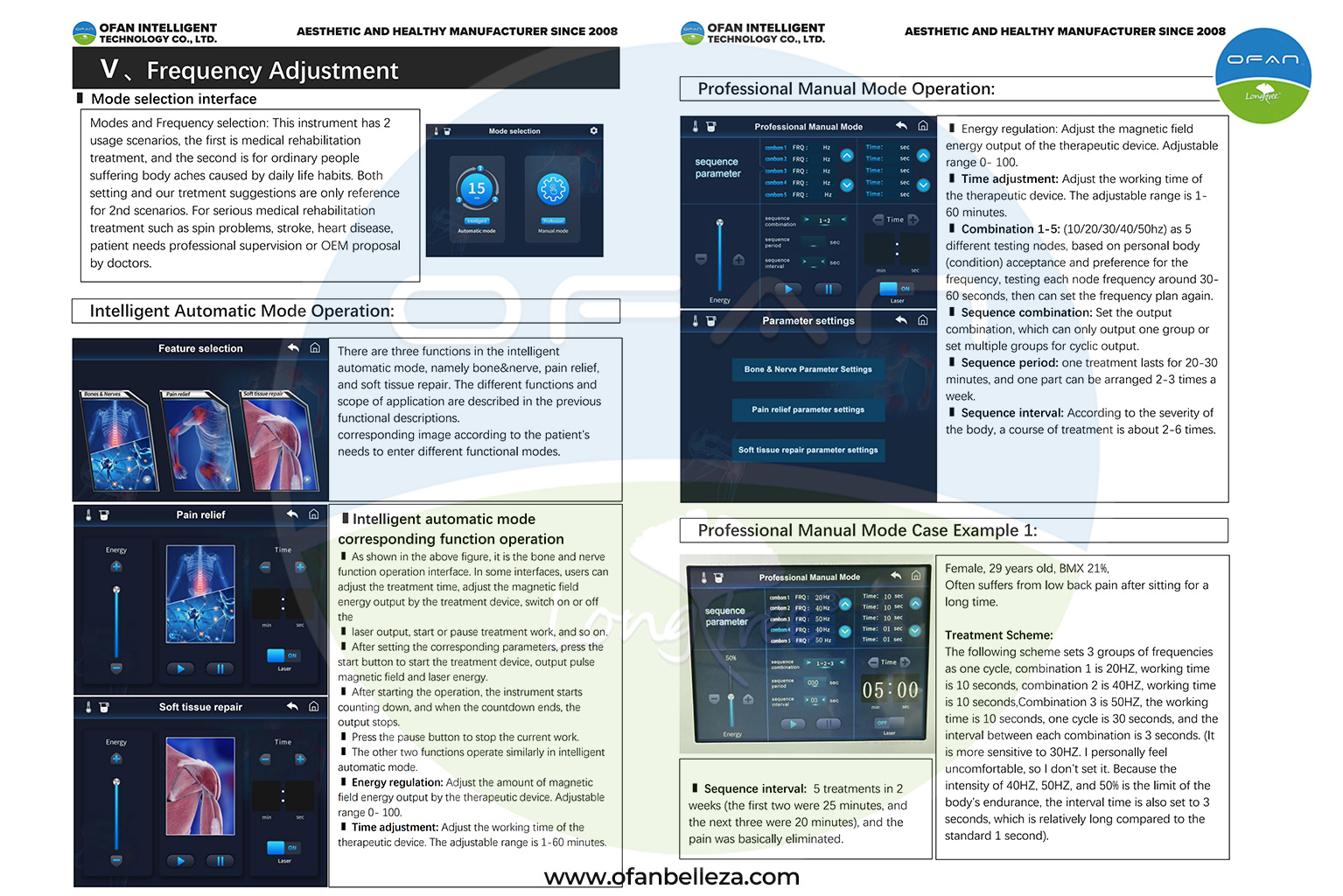
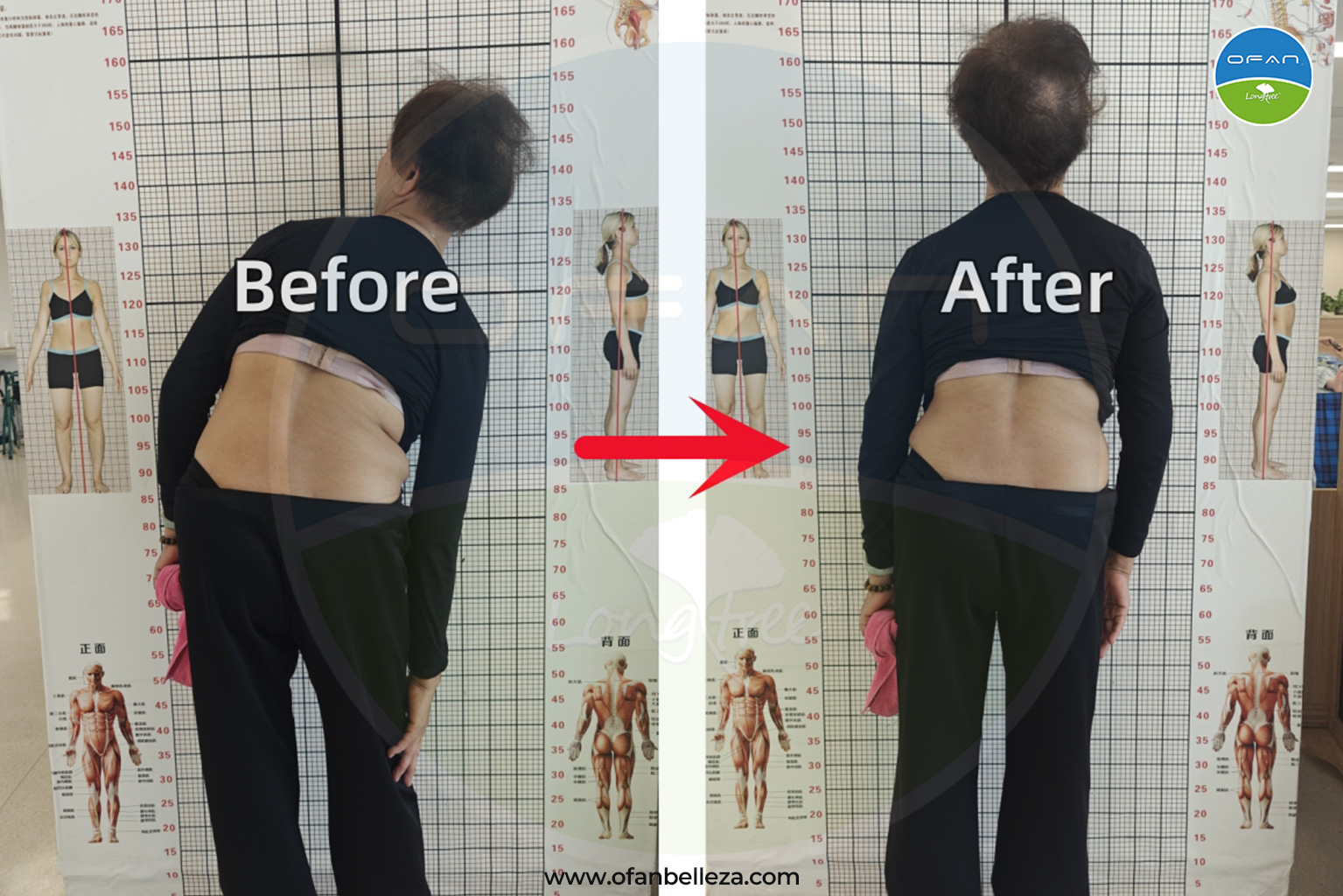
When a clinic owner, rehabilitation buyer, or distributor asks me, “Does a PEMF machine help with pain?”, I usually answer carefully: PEMF may help some pain conditions, but it is not a universal pain cure. The result depends on the type of pain, the device parameters, the treatment area, the protocol, and whether the user is also following appropriate medical or rehabilitation guidance.
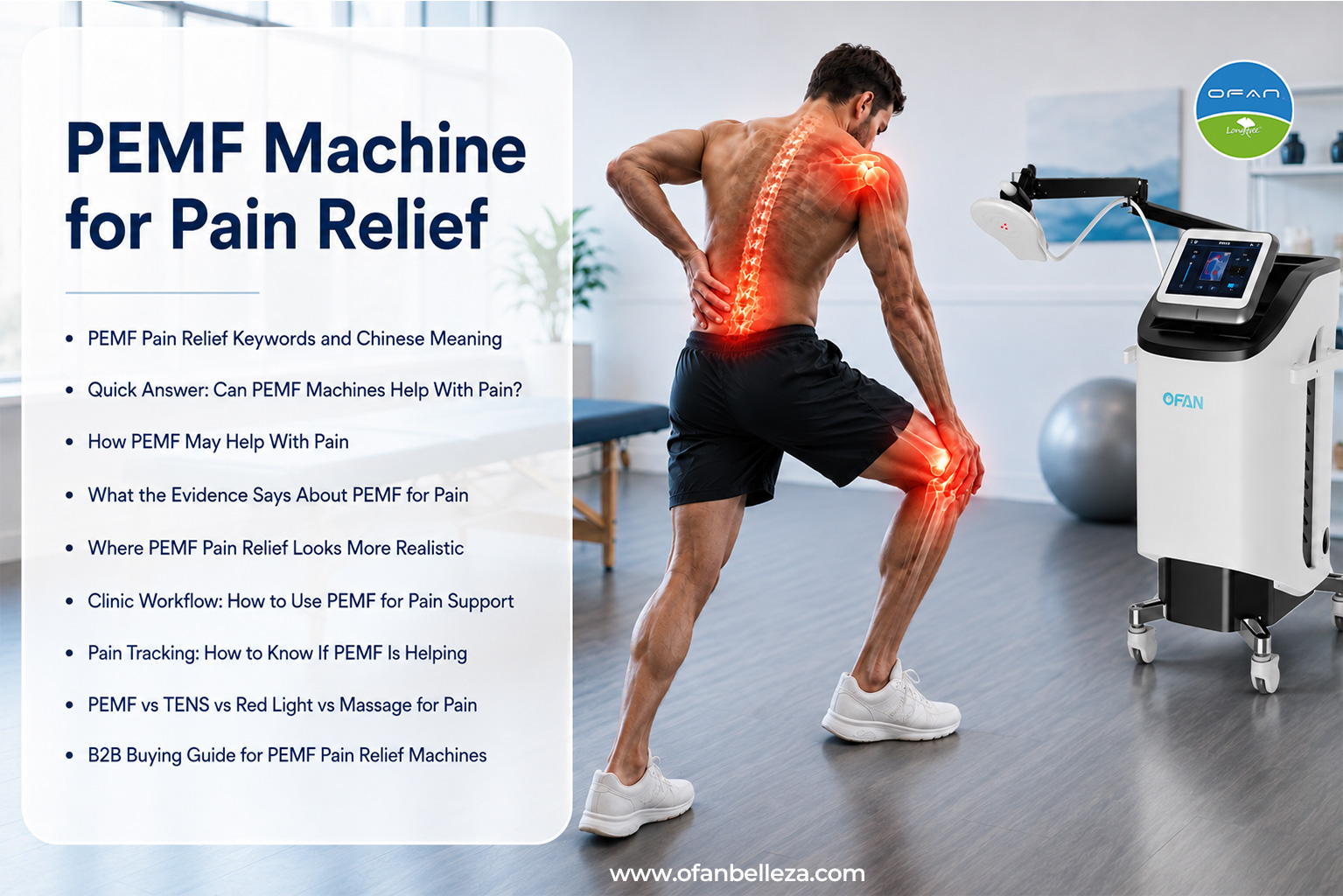
Yes, PEMF machines may help with some types of pain, especially selected musculoskeletal pain conditions such as chronic low-back pain and some osteoarthritis-related pain. But the evidence is not equally strong for every pain condition, and PEMF should not be promoted as a cure for all pain.
The U.S. National Center for Complementary and Integrative Health explains that electromagnetic therapy, including PEMF, has been studied for pain and healing. It reports that electromagnetic therapy may reduce pain and improve function in different musculoskeletal conditions, but results vary by condition. For example, the evidence looks more positive for chronic low-back pain and some osteoarthritis contexts than for shoulder pain, cancer-related pain, or broad static magnet claims.
I would describe PEMF as a non-invasive pain-support technology, not as a guaranteed pain treatment. For clinics and distributors, the safest marketing language is “may help support pain relief,” “may support comfort and mobility,” or “can be used as part of a rehabilitation or wellness support program.”
PEMF, short for pulsed electromagnetic field therapy, uses device-generated electromagnetic pulses delivered through coils, mats, pads, loops, or applicators. In pain-related contexts, researchers often discuss several possible mechanisms, including pain modulation, inflammation-related signaling, tissue repair support, and improved functional tolerance.
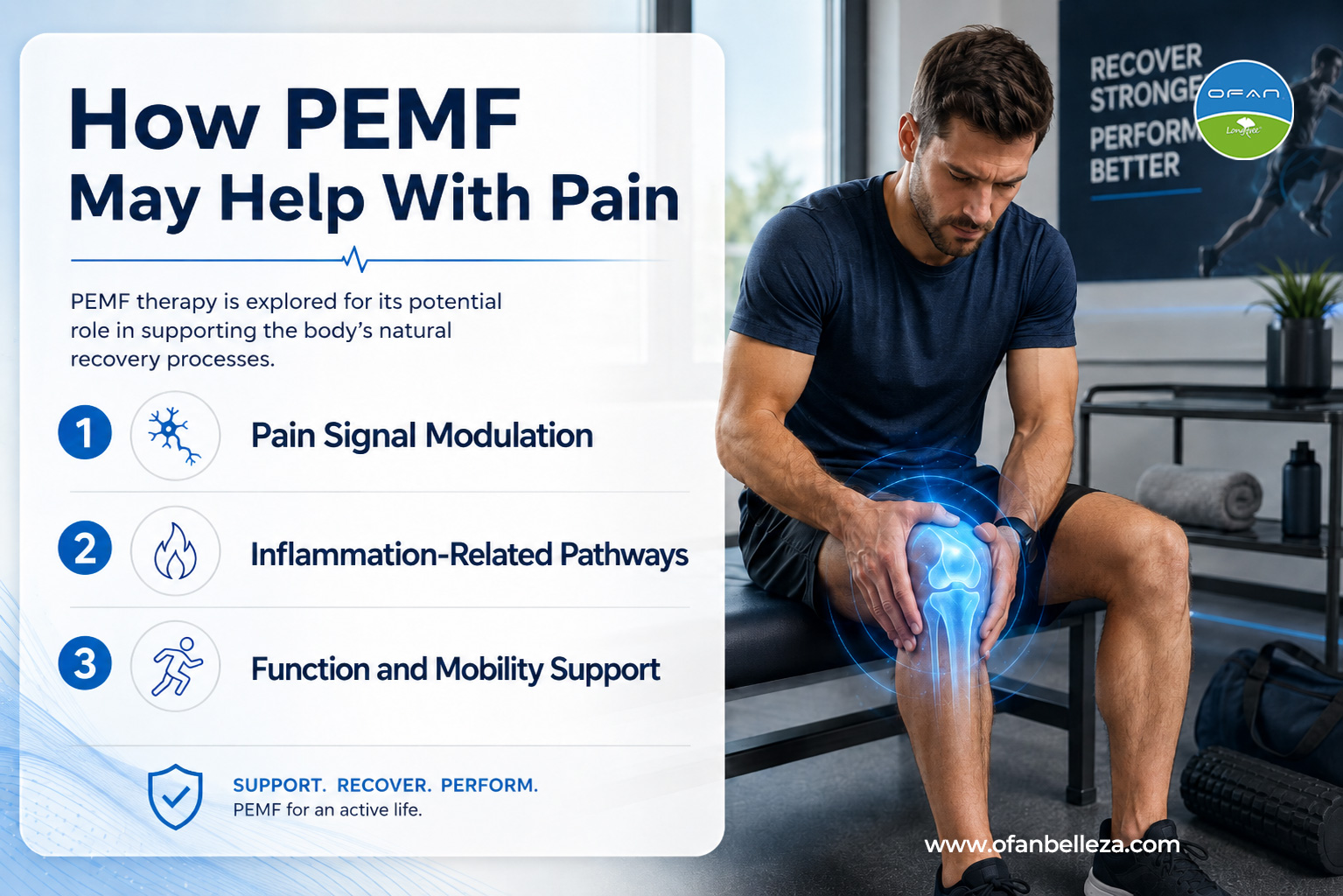
Some PEMF research discusses how electromagnetic fields may influence nerve signaling and pain perception. This does not mean PEMF blocks all pain. It means the technology may help modulate certain pain pathways in selected conditions.
Pain often involves local inflammation, mechanical overload, tissue irritation, or sensitized nerves. PEMF is commonly studied for possible effects on inflammation-related pathways, but the actual clinical result depends on the diagnosis and treatment protocol.
For clinics, pain relief should not only mean “the patient feels better today.” A more useful outcome is whether the client can walk longer, climb stairs more comfortably, complete rehabilitation exercises, or return to daily activity with less discomfort.
PEMF evidence is not one simple “yes or no.” The results differ by body area, disease type, device strength, treatment time, and whether PEMF is used alone or combined with exercise or physical therapy.
| Pain Area / Condition | Evidence Summary |
|---|---|
| Chronic low-back pain | NCCIH reports that a 2022 review of 14 studies with 618 participants found 1 to 12 weeks of PEMF therapy, 2 to 7 days per week, was beneficial for reducing pain in chronic low-back pain. |
| Osteoarthritis pain | NCCIH summarizes that a 2020 review of 15 studies with 985 participants found electromagnetic therapy reduced pain and improved stiffness and physical function in osteoarthritis, but not overall quality of life. |
| Knee OA and muscle weakness | A 2024 randomized controlled trial in end-stage knee OA found PEMF plus home exercise improved pain and knee muscle strength more than home exercise alone over 8 weeks. |
| Shoulder impingement pain | A 2025 PLOS One meta-analysis reported statistically significant short-term pain reduction and functional improvement, but noted small sample size and protocol variability. |
| Fibromyalgia pain | NCCIH describes evidence as very limited and weak, with mixed findings. |
For B2B buyers, the safest way to evaluate PEMF for pain relief is to divide use cases into “more realistic,” “possible but needs caution,” and “high-risk claims.”
| Category | Use Case | Recommended Marketing Language | Claims to Avoid |
|---|---|---|---|
| More realistic | Musculoskeletal pain support, chronic low-back pain support, knee OA symptom support. | “May help support pain relief and mobility as part of a rehabilitation program.” | “Cures chronic pain permanently.” |
| Possible but cautious | Shoulder discomfort, sports recovery, general muscle comfort. | “May support comfort, recovery, and functional movement.” | “Repairs tendons quickly” or “replaces physical therapy.” |
| High-risk | Cancer pain, severe unexplained pain, neuropathy from chemotherapy, post-surgical complications. | Use only with professional medical guidance and proper claims review. | “Treats cancer pain,” “heals nerve damage,” or “no need to see a doctor.” |
Important safety note: Pain is a symptom, not a diagnosis. New, severe, worsening, traumatic, neurological, chest-related, fever-related, or unexplained pain should be evaluated by a clinician. Do not use PEMF or any non-prescription device to delay medical care.
In a professional clinic setting, I would not use a PEMF machine like a random massage tool. A simple workflow helps protect the clinic, improves service consistency, and creates useful records for follow-up.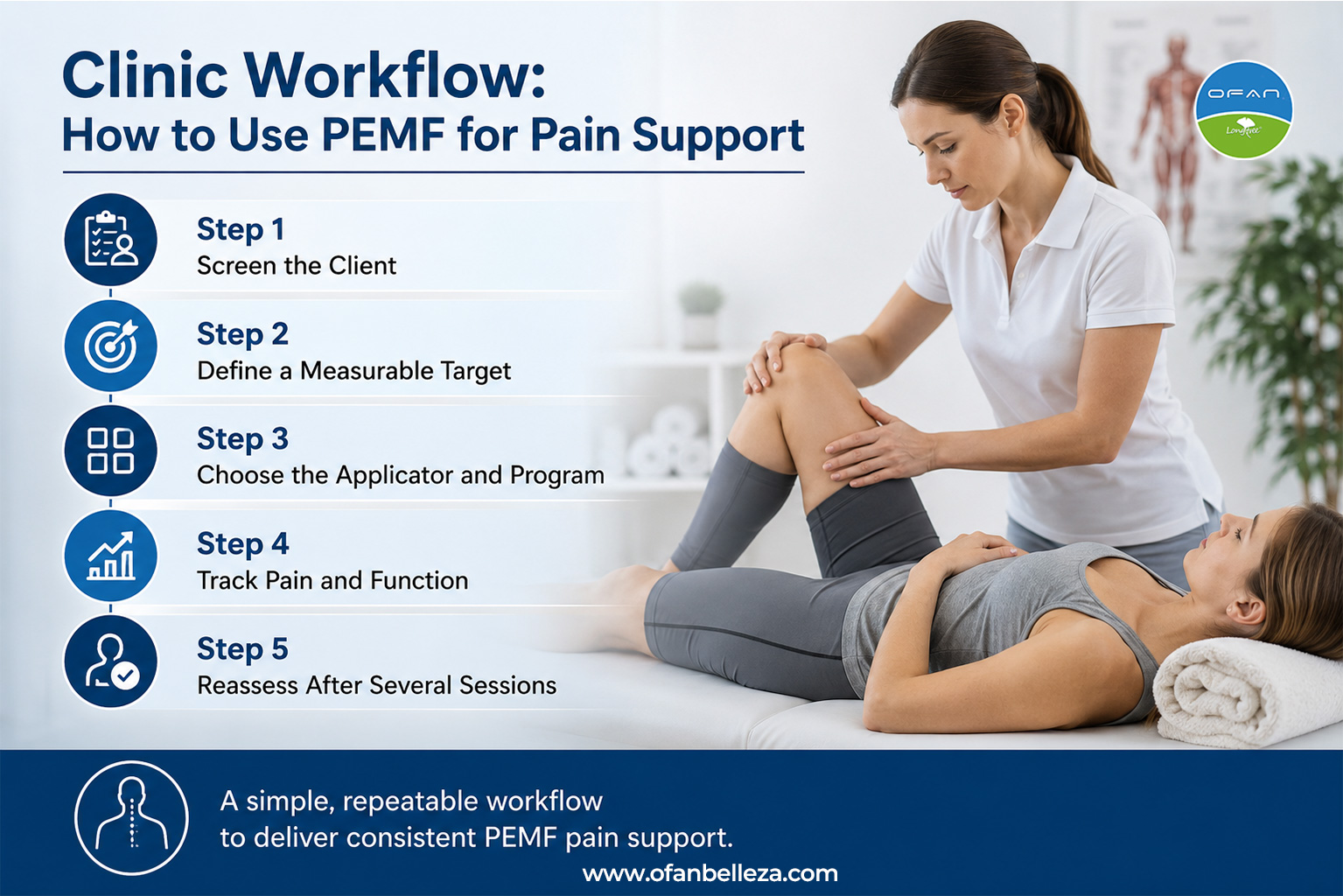
Ask about the pain area, pain history, diagnosis, implants, pacemaker, pregnancy, recent surgery, active infection, cancer history, medications, and current treatment plan.
Do not simply write “pain.” Record one target such as right knee pain when walking, lower-back stiffness after sitting, or shoulder discomfort during overhead movement.
Match the applicator size and placement to the target area. Use the manufacturer’s recommended program and session time. Do not increase intensity or duration just because “stronger sounds better.”
Record pain before and after the session, but also track function: walking tolerance, stair comfort, sit-to-stand ability, sleep interruption, and ability to complete rehab exercises.
One good session is not enough. Look for a repeated pattern over 7–14 days: lower pain scores, easier movement, better exercise tolerance, or fewer pain interruptions.
A common mistake is judging PEMF only by sensation. Many PEMF devices produce little or no obvious feeling during use. That is why tracking data is more useful than asking, “Did I feel something?”
| Metric | How to Record | Why It Matters |
|---|---|---|
| Pain score | 0–10 before session, 2 hours after, and next morning. | Shows short-term and next-day response. |
| Morning stiffness | Minutes until the painful area feels easier to move. | Useful for arthritis and chronic stiffness. |
| Walking tolerance | Minutes or distance before pain increases. | Shows real-life mobility. |
| Stair comfort | Easy, moderate, difficult, or unable. | Useful for knee and hip pain. |
| Sleep interruption | Number of times pain wakes the user. | Useful for chronic pain tracking. |
| Side effects | Dizziness, headache, worse pain, palpitations, skin discomfort. | Protects user safety and clinic responsibility. |
| Day | Target Area | Program / Setting | Session Time | Pain Before | Pain After | Function Note | Side Effects |
|---|---|---|---|---|---|---|---|
| Baseline Day | ____ | No PEMF | 0 | __/10 | __/10 | Walking / stairs / sleep | ____ |
| Day 1 | ____ | ____ | ____ min | __/10 | __/10 | ____ | ____ |
| Day 3 | ____ | ____ | ____ min | __/10 | __/10 | Better / same / worse | ____ |
| Day 7 | ____ | ____ | ____ min | __/10 | __/10 | Repeated improvement? | ____ |
B2B buyers often compare PEMF pain relief machines with TENS units, red light therapy, heat therapy, vibration, and massage equipment. The right choice depends on service positioning, target client, sensation preference, evidence level, and operator training.
| Technology | Basic Mechanism | User Sensation | Best-Fit Pain Use | B2B Buyer Note |
|---|---|---|---|---|
| PEMF | Pulsed electromagnetic fields through coils or applicators. | Often little or no sensation. | Musculoskeletal pain support, OA symptom support, rehab adjunct. | Check parameters and evidence match; avoid miracle claims. |
| TENS | Electrical stimulation through skin electrodes. | Tingling, buzzing, pulsing. | Short-term pain modulation. | Easy to understand for users, but not the same as PEMF. |
| Red light therapy | Specific wavelengths of light applied to tissue. | Warmth or mild skin sensation. | Superficial tissue comfort, wellness recovery, skin-related services. | Dose, wavelength, distance, and treatment area matter. |
| Massage / vibration | Mechanical pressure or vibration. | Strong physical sensation. | Muscle tension, relaxation, temporary comfort. | Good user experience, but may not address deeper pain drivers. |
| Heat therapy | Thermal effect. | Warmth. | Stiffness and muscle comfort. | Not suitable for every acute swelling or inflammatory condition. |
When I evaluate a PEMF machine for a clinic, distributor, or OEM/ODM buyer, I do not start with the sales video. I start with the intended use, technical parameters, contraindications, documentation, service workflow, and after-sales support.
Is the machine positioned as a wellness device, rehabilitation support device, pain relief device, or regulated medical device? These categories are not the same. The marketing claims must match the device documents and target market rules.
A professional PEMF supplier should be able to provide the following:
| Buyer Question | Good Supplier Answer | Red Flag |
|---|---|---|
| What pain use cases can we promote? | Specific, conservative claims with evidence references. | “All pain, all diseases, guaranteed results.” |
| What are the PEMF parameters? | Clear frequency, intensity, waveform, program, and session time. | “Secret frequency” or no technical sheet. |
| Who should not use the device? | Clear contraindications and safety warnings. | “Safe for everyone.” |
| Can clinics track results? | Provides intake form, pain score sheet, and follow-up template. | No workflow or training materials. |
| Can we do OEM/ODM? | Supports private label, packaging, language, and documentation. | Only photos, no factory process or QC details. |
Need help choosing the right PEMF therapy device? Contact OFAN today👉Get Quote Nowto discuss your project, product requirements, and cooperation plan.

👉Contact OFAN for OEM/ODM PEMF Therapy Device Solutions
A PEMF machine may help with some types of pain, especially selected musculoskeletal pain conditions and some osteoarthritis-related symptoms. It should be used as supportive care, not as a replacement for medical diagnosis, medication, exercise, or physical therapy when those are needed.
PEMF machines can work for some pain conditions, but not all. The evidence is stronger for certain musculoskeletal and osteoarthritis contexts than for broad claims such as “all chronic pain,” “cancer pain,” or “nerve damage repair.”
PEMF may help some chronic low-back pain users. NCCIH summarizes that a 2022 review found PEMF therapy over 1 to 12 weeks was beneficial for reducing pain in chronic low-back pain. However, back pain has many causes, so users should be screened carefully.
Some evidence suggests electromagnetic therapy may reduce pain and improve stiffness and physical function in osteoarthritis, especially in certain knee OA contexts.
Real-use results vary. A better way to answer this question is to track pain score, walking tolerance, stiffness, sleep interruption, and function over 7–14 days. One good session is not enough to prove effectiveness.
No. PEMF should not be promoted as a replacement for medication or medical treatment. Users should not stop or change pain medication without advice from a qualified clinician.
No device is safe for everyone. People with pacemakers, implanted electronic devices, pregnancy, serious medical conditions, active cancer near the treatment area, recent surgery, infection, blood clot risk, or unexplained severe pain should ask a clinician before use.
Clinics should check intended use, contraindications, device parameters, user manual, training materials, workflow forms, warranty, service support, and whether the supplier’s evidence matches the actual device and marketing claims.
PEMF for pain relief is best positioned as a non-invasive supportive technology for selected pain-related use cases. It may help some users reduce pain, move more comfortably, and participate in rehabilitation more easily. But it should not be sold as a miracle cure, a medication replacement, or a solution for every type of pain.
For B2B buyers, the professional path is simple: define the use case, check safety limits, verify device parameters, review evidence, train staff, track real outcomes, and avoid exaggerated claims. A reliable PEMF supplier should support all of these steps with clear documentation and realistic marketing language.